Kids Ortho Goa

Kids Ortho Goa

Services

Comprehensive pediatric orthopaedic care for every stage of growth.

Service 01

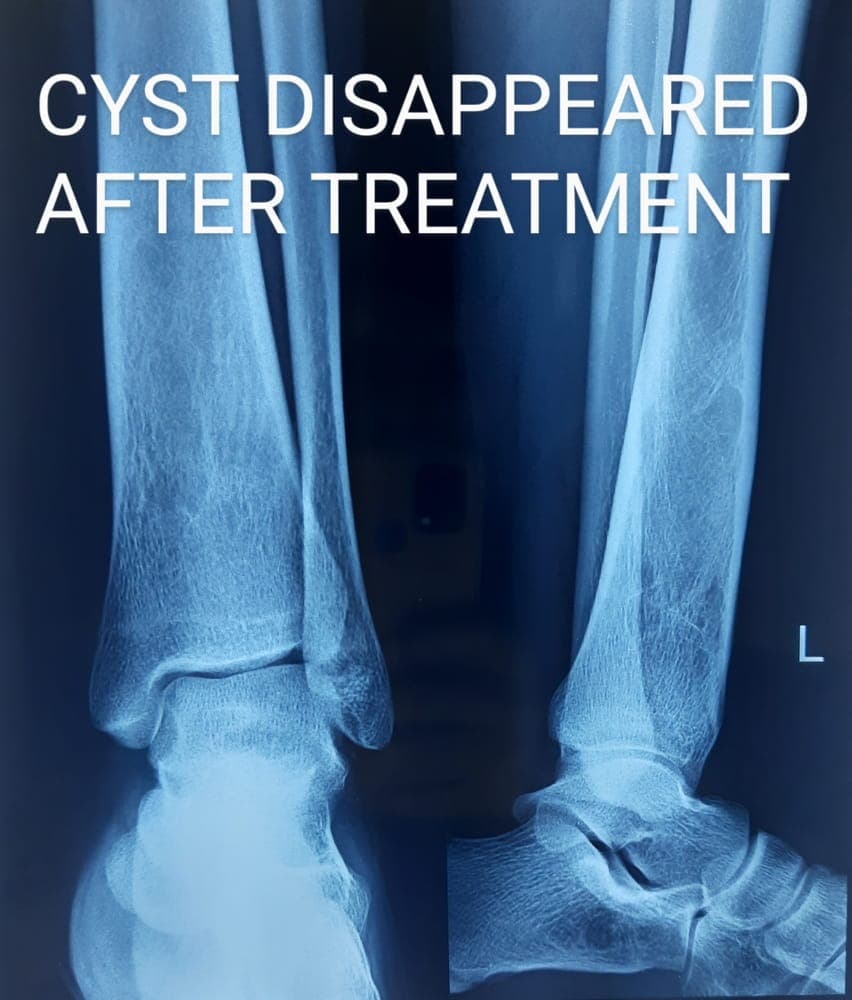
Bone Cyst

Bone Cysts can be of many types. They may start as swelling or pain. A blood test and testing the cyst itself with scans and a piece of it will reveal its behaviour. Many can be treated with simple injections and scarless (laser) procedures.

A bone cyst can present as pain and swelling. Scans and tissue biopsy will decide the further course of treatment. Aneurysmal bone cyst can be treated with sequential sclerosant injections.

Book Consultation
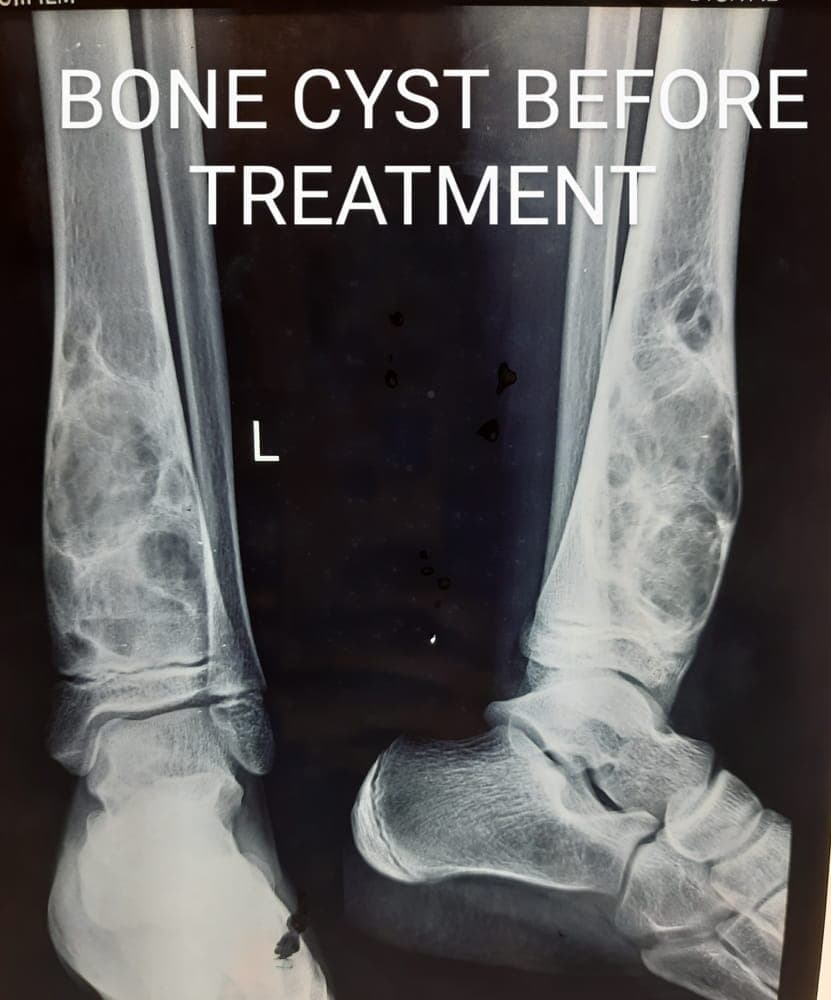
Bone Cyst — before treatment
Before
Bone Cyst — after treatment
After

Service 02

Dislocation

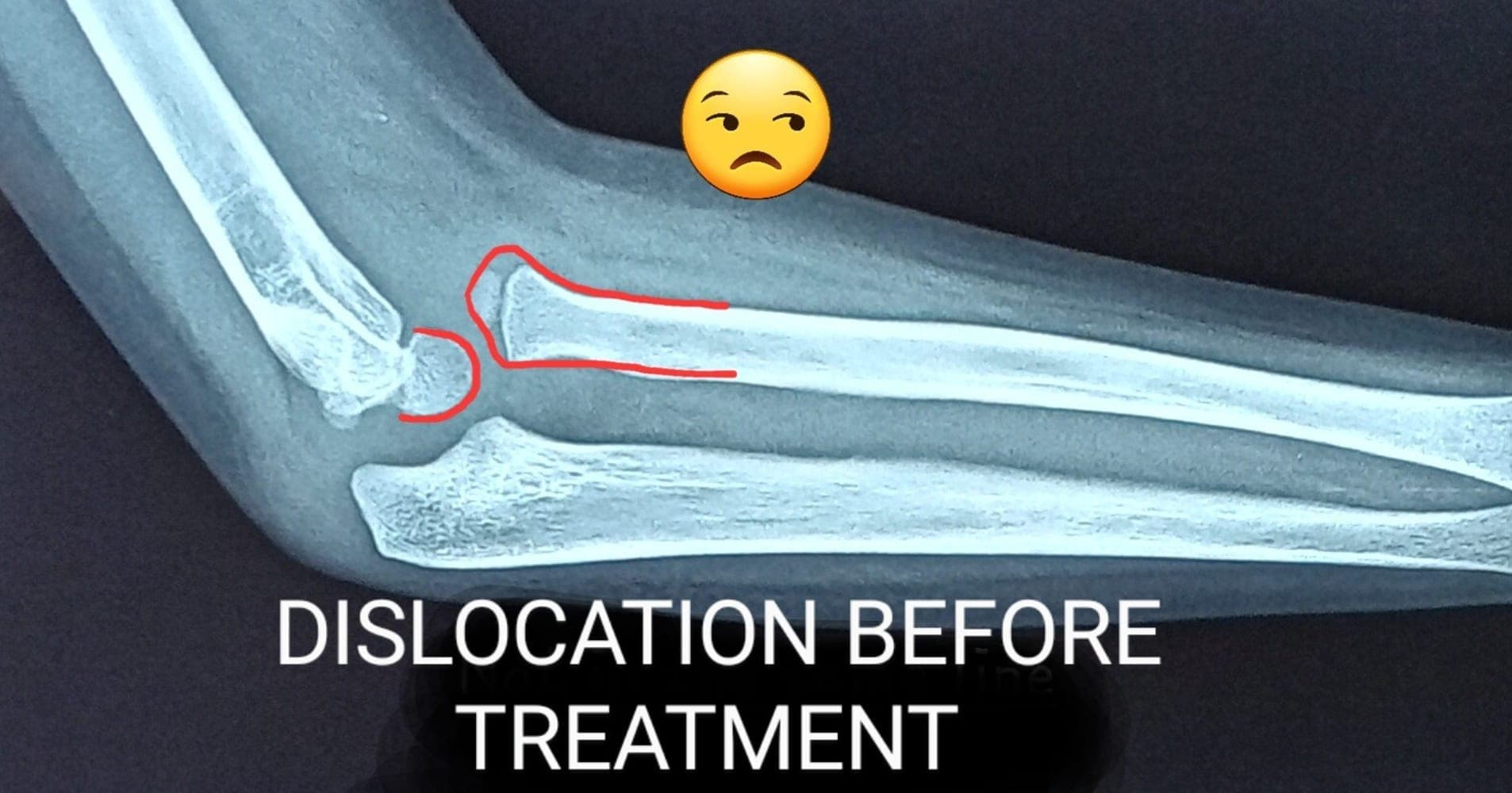
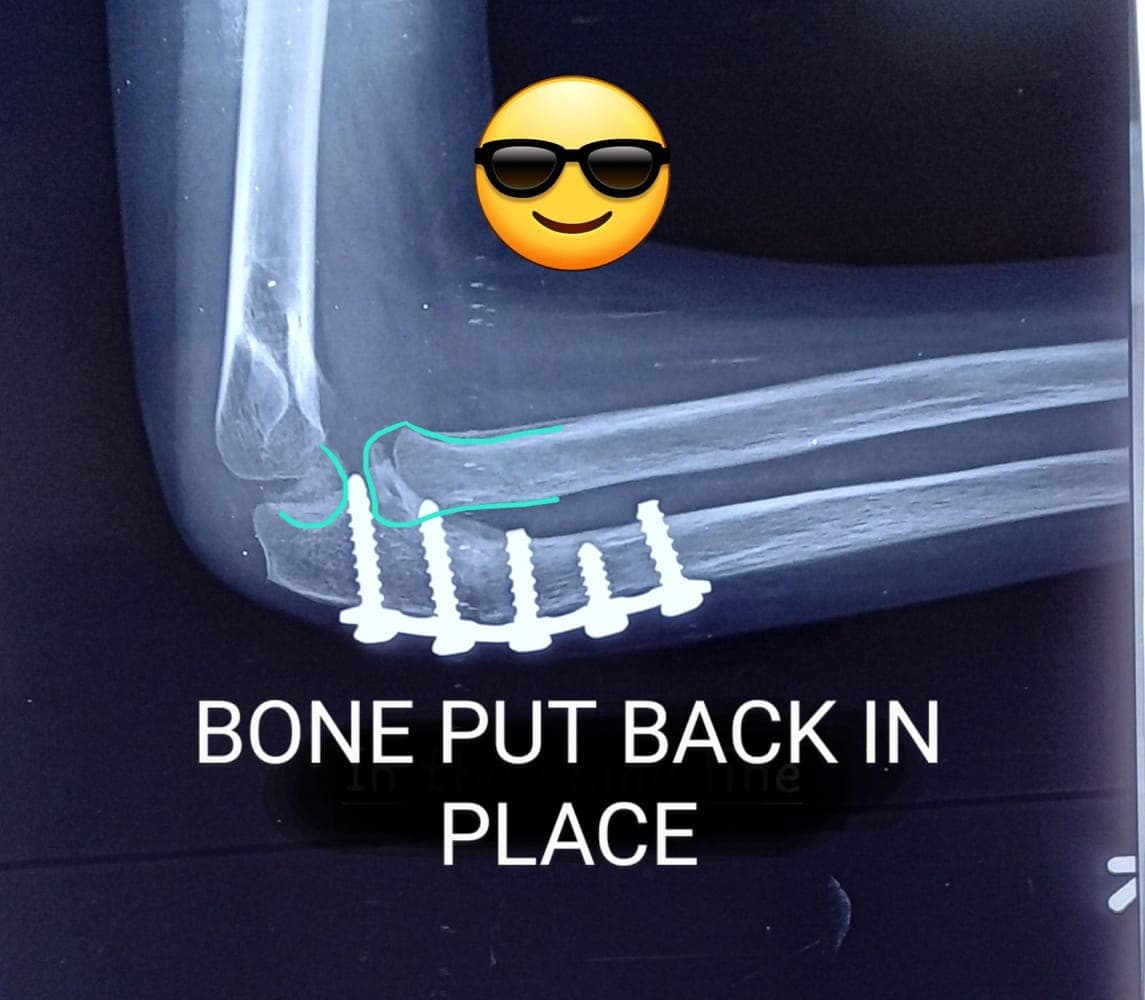
A subtle fracture may give rise to dislocations, which can go un-noticed until there is restricted elbow movement. These dislocations can be put back in place, usually without a surgery — sometimes needing an operation for a stable, lasting result.

Book Consultation
Dislocation — before treatment
Before
Dislocation — after treatment
After

Service 03

Fractures

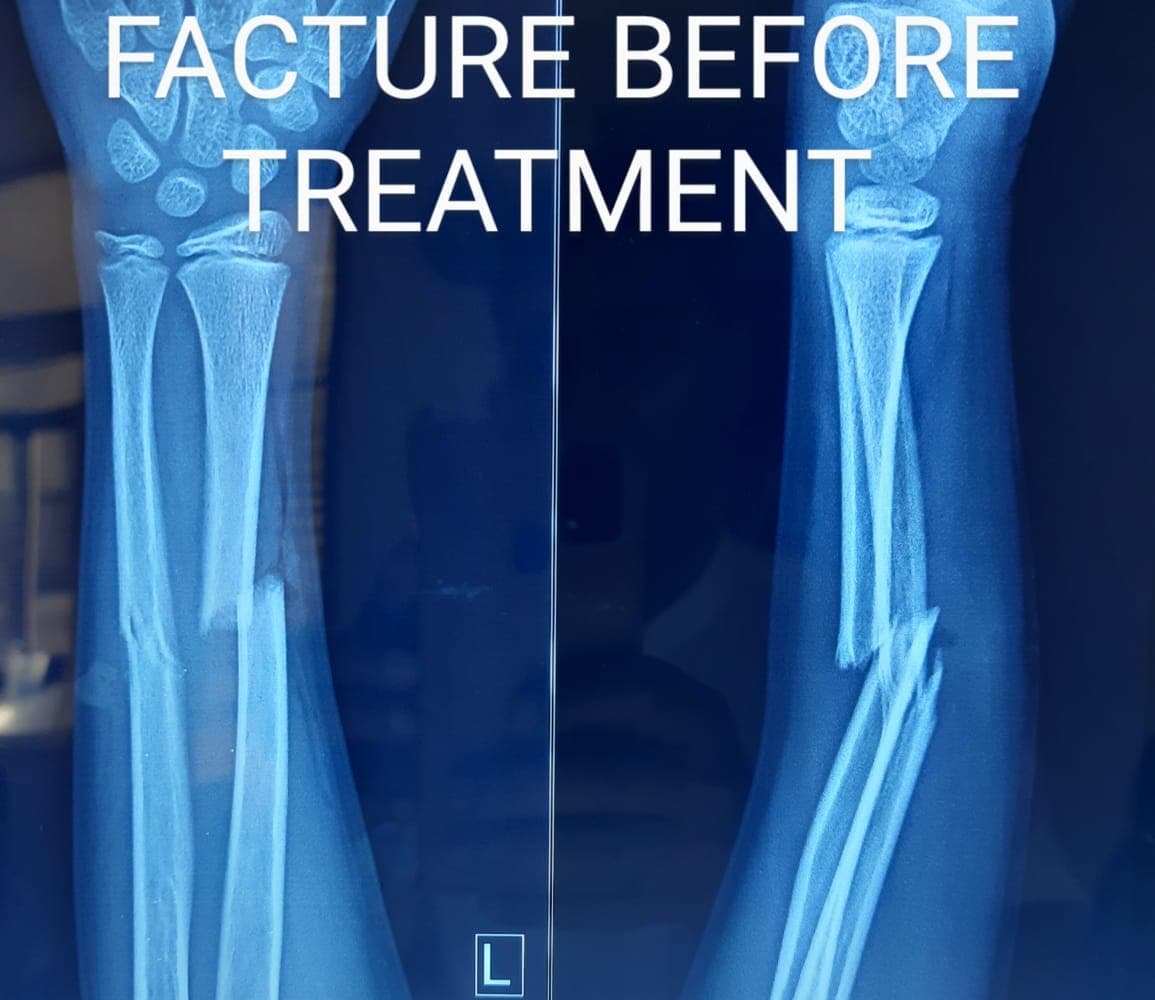
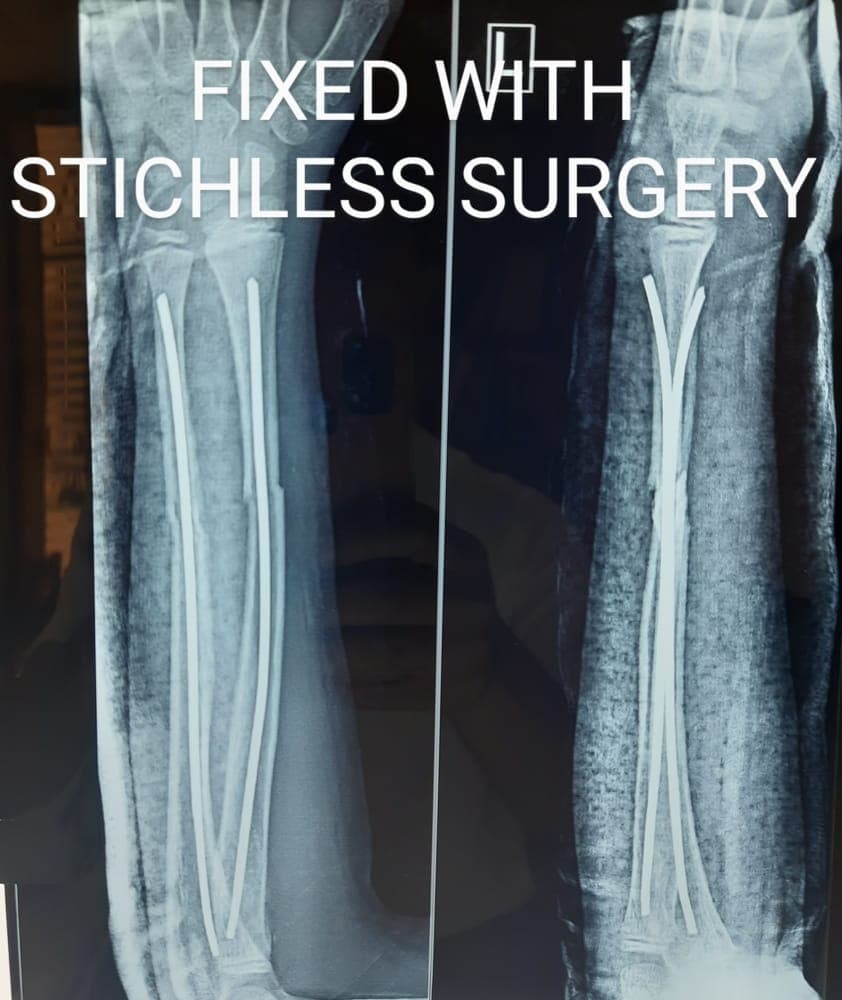
Accidental falls and sports injuries are very common in children. As the child is growing, their fracture needs special care. A very severe looking fracture may heal with minimal intervention, and a small fracture, if not treated well, can give rise to lifelong disability.

Most of the fractures are amenable to closed reduction and casting; however, physeal injuries, intra-articular and injuries around the physis need special attention and intervention.

Book Consultation
Fractures — before treatment
Before
Fractures — after treatment
After

Service 04

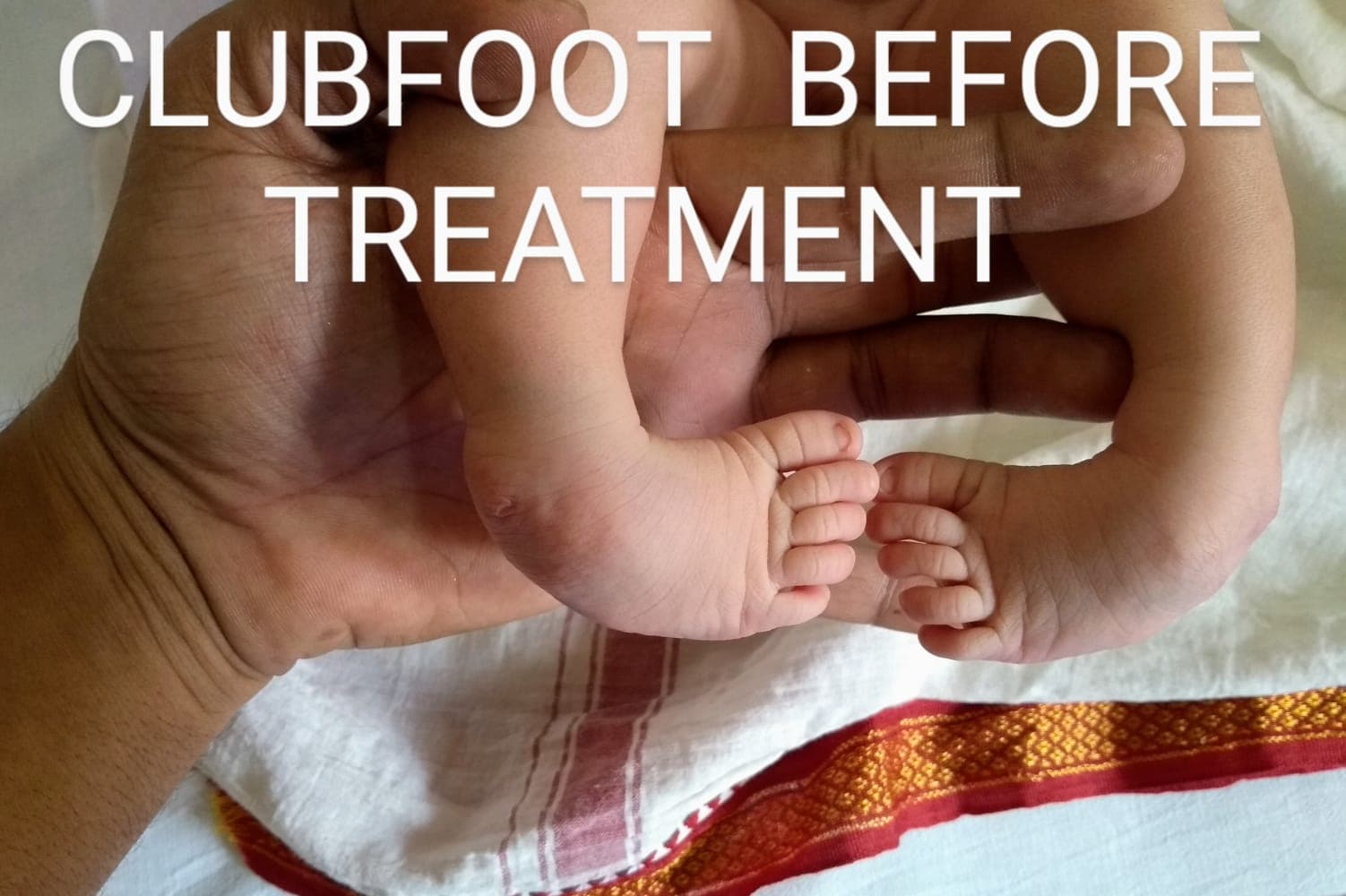
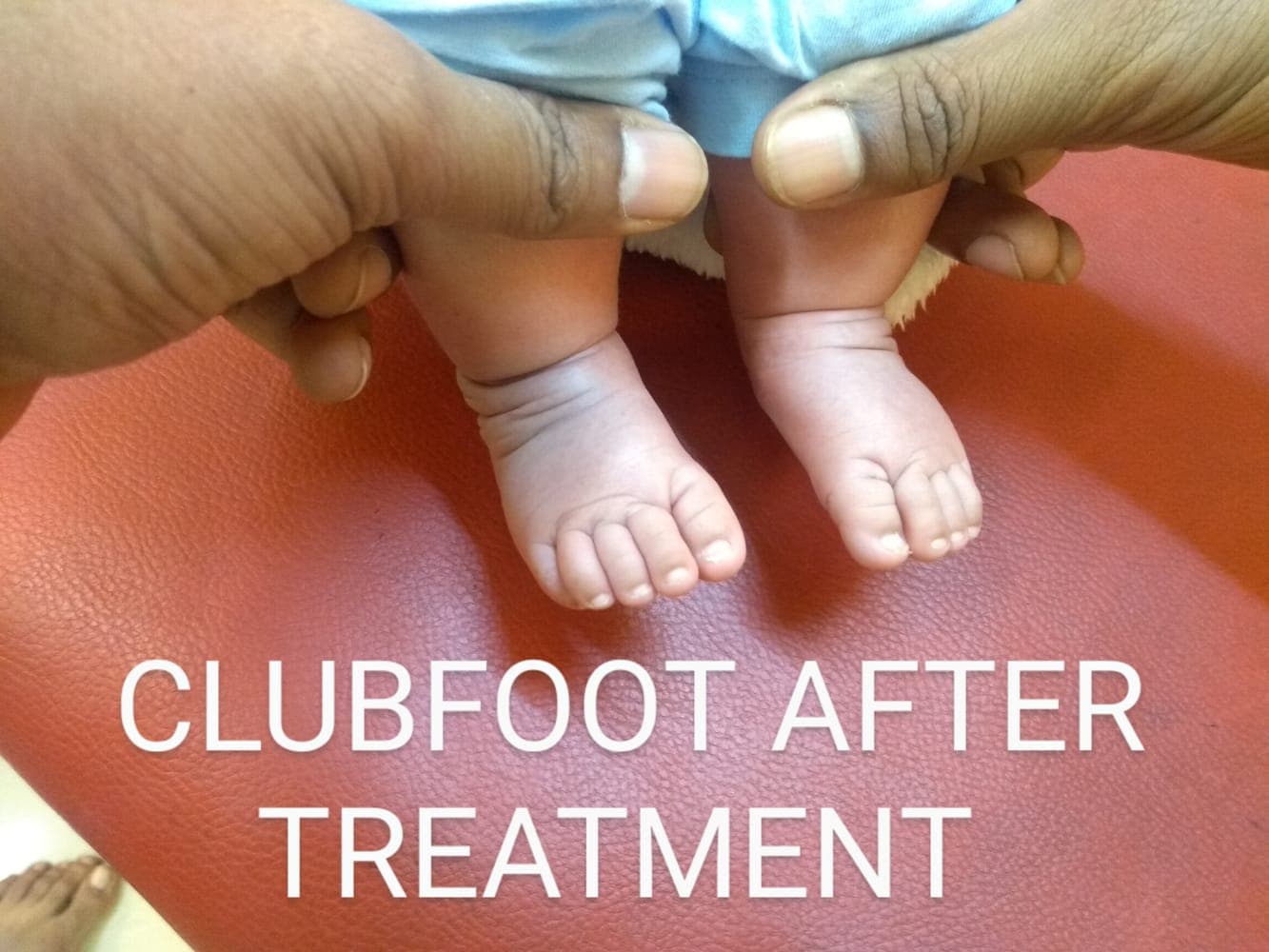
Clubfoot

Congenital Telipes Equino Varus

Clubfoot is the commonest bone problem in a newborn. Cure of the condition is possible if treatment is started early and completed accordingly. The treatment consists of weekly plasters and slow correction — an average of 2–3 months is necessary. Once corrected, special shoes for night-time wear are given to maintain correction till 4 years of age. The earlier the treatment, the better the result; best results are seen when treatment is started in the first 3 months of life.

The commonest congenital orthopaedic deformity. The Ponseti method of serial casting and tenotomy is currently recommended. A cosmetically normal and fully functional foot is achievable with early correction and maintenance in almost all children with CTEV. In delayed cases, operative intervention can also give desired results — a painless, plantigrade functional foot.

Book Consultation
Clubfoot — before treatment
Before
Clubfoot — after treatment
After

Service 05

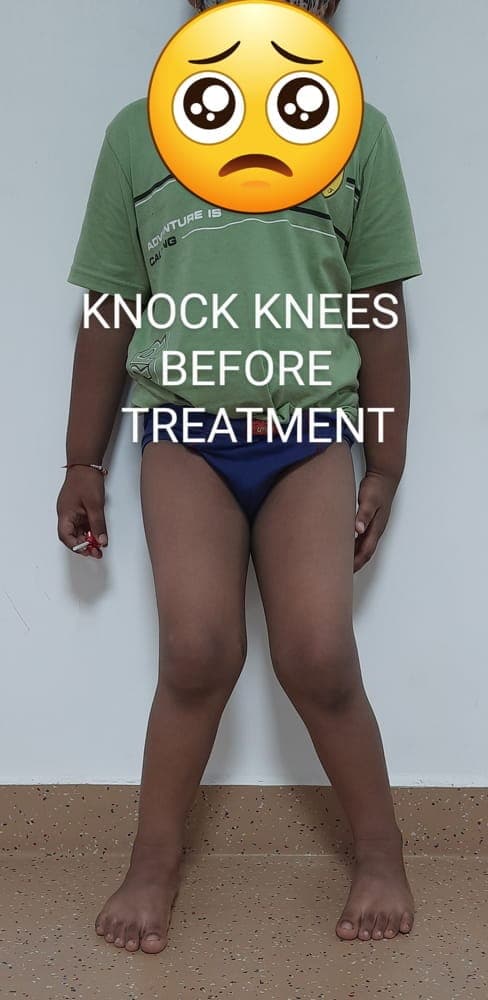
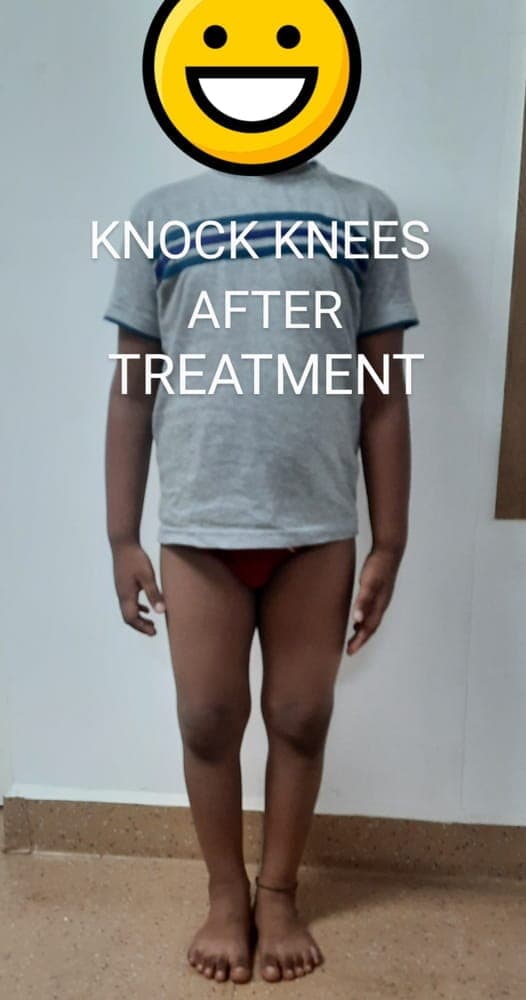
Knock Knees

Genu Valgum

The alignment of lower limbs is important for the longevity of the joint. The majority are self-limiting; however, an excessive intermalleolar distance will cause early degenerative arthritis of the knee and/or other joints of the lower limbs. Flat foot may also get worsened with valgus alignment of the knees. The treatment can be a single scarless screw if done in time.

Knock knees can result from abnormal growth in the inner side of the thigh bone or the leg bone. Most cases in children correct on their own. If persistent, they can give rise to pain and early arthritis — pain in the knee, foot or other joints may be experienced due to the deformity. A stitchless / keyhole procedure can be done to correct it if recognised early during the growth period.

Book Consultation
Knock Knees — before treatment
Before
Knock Knees — after treatment
After

Service 06

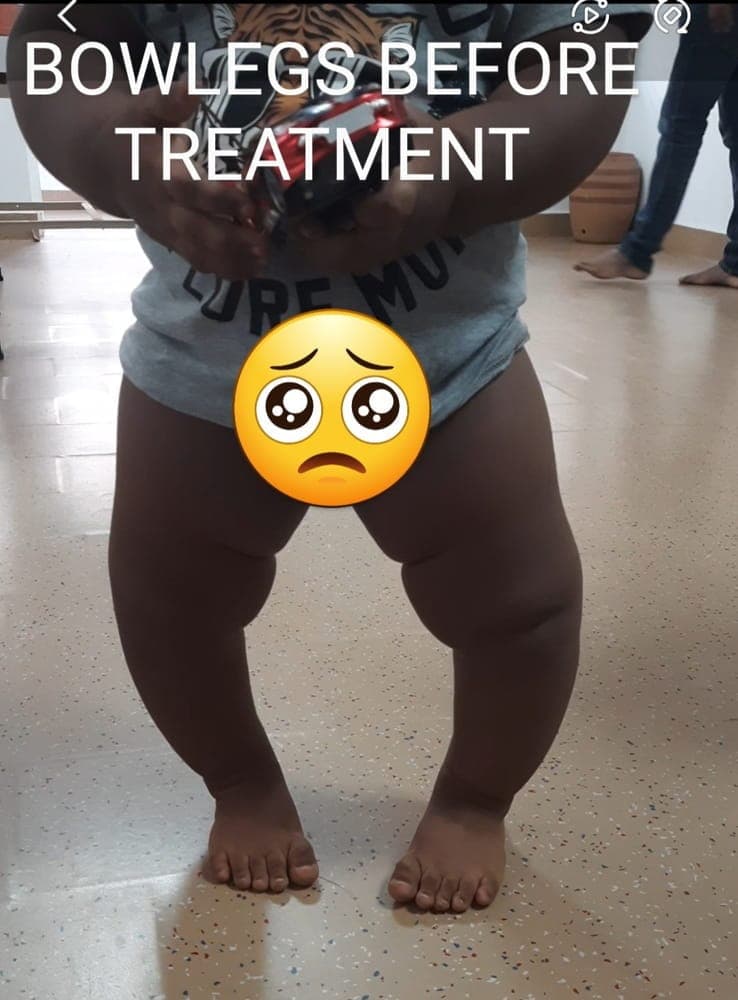
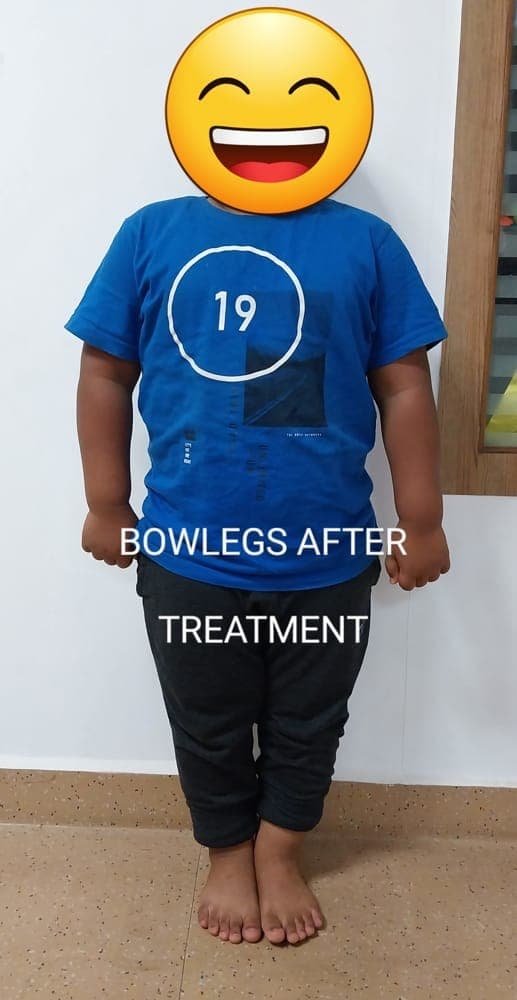
Bow Legs

Genu Varum

This condition is usually a normal course of a child's development, but it has to be observed if it goes out of normal range. It can be caused by vitamin D deficiency, which can be treated with medicines alone.

Intercondylar distance is the indicator of pathological or physiological genu varum. Blount's disease is another differential diagnosis (tibia varus). Rickets is one of the causes which can be treated with oral medications. Idiopathic pathological cases will have to be treated with guided growth if it crosses normal limits of alignment.

Book Consultation
Bow Legs — before treatment
Before
Bow Legs — after treatment
After

Service 07

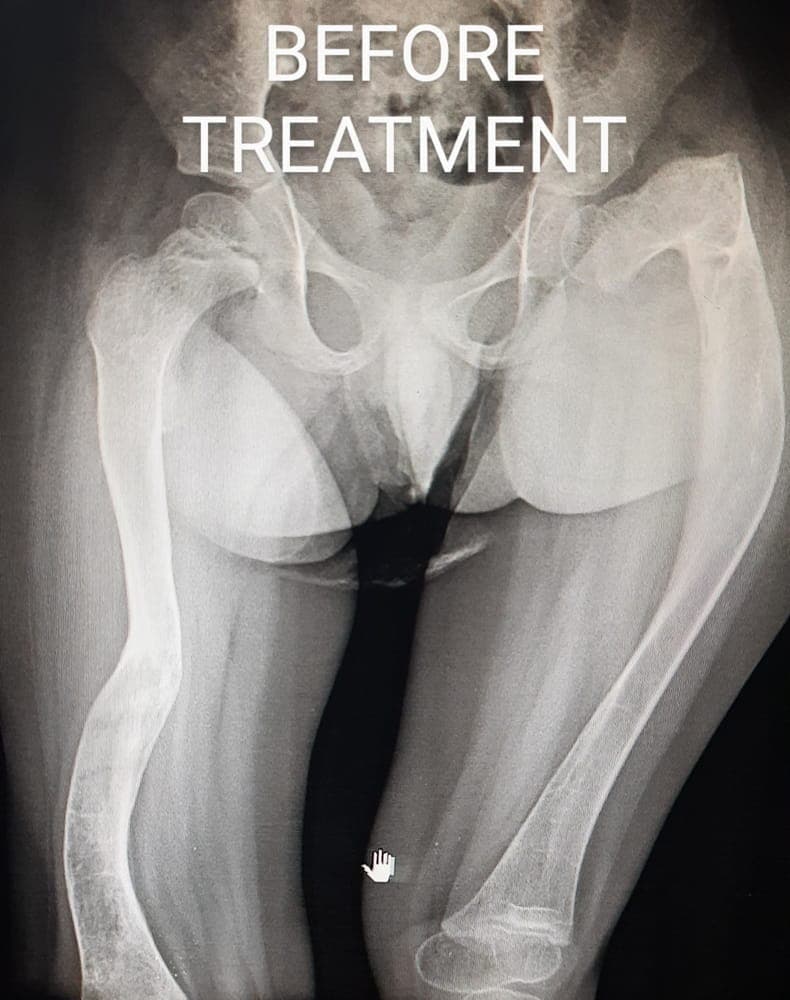
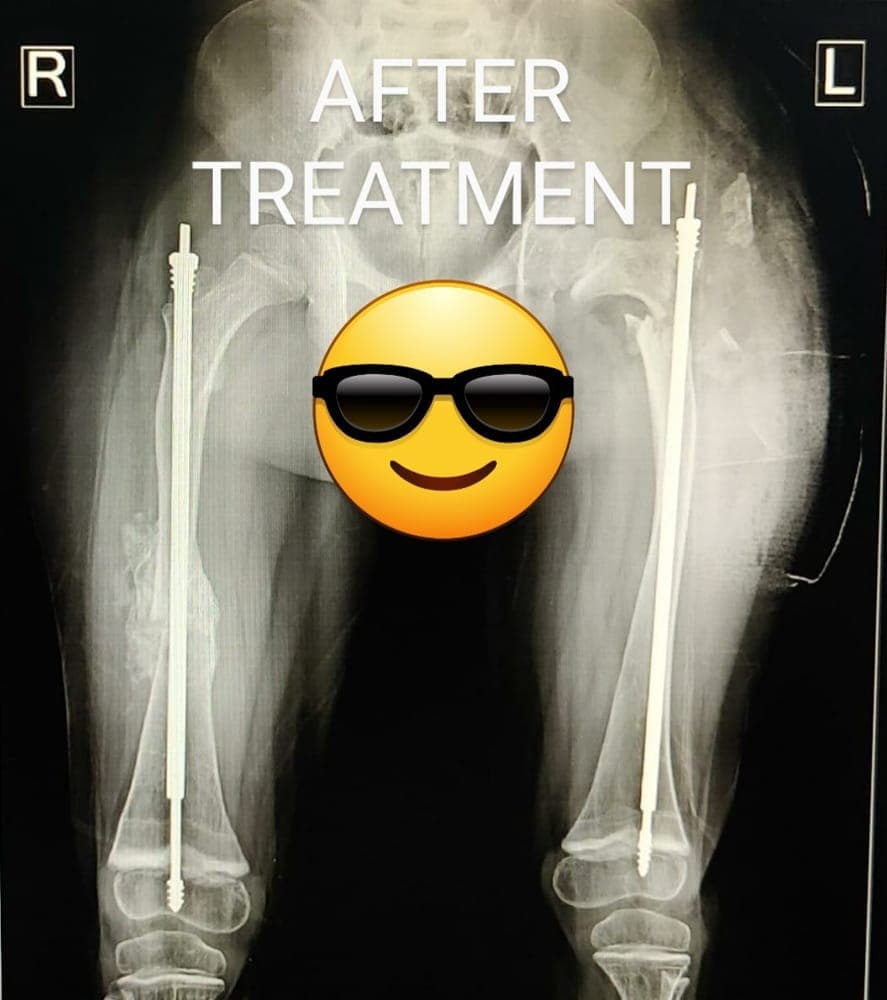
Bendy Brittle Bones

Osteogenesis Imperfecta

A rare condition where children are born with soft bones. They tend to have bone fractures more frequently than normal. As a result, legs deform and children stop walking. Treatment is to strengthen bones with medicines, correct abnormal angulation, and avoid future fractures by putting growing rods in growing children.

Osteogenesis Imperfecta is caused by faulty collagen synthesis. Hence bone strength is inferior, causing multiple fractures, malunions and deformities — resulting in non-ambulation, which weakens bones even further. Treatment is in the form of bisphosphonates and surgical intervention. Telescopic rods are locked in the metaphysis, which will distract in telescopic fashion as the child grows.

Book Consultation
Bendy Brittle Bones — before treatment
Before
Bendy Brittle Bones — after treatment
After